19 Apr
Autism Acceptance MonthDay 19 USING SIMPLE, CLEAR LANGUAGE Using simple, clear language can make a big difference for autistic children. For example: “Kane… clothes… please.” Short, direct words remove extra […]
READ MORE18 Apr
Autism Acceptance MonthDay 18 HEADPHONES AND FIDGETS Headphones and fidgets are often used to help autistic children regulate sensory input and manage overwhelm. Headphones can reduce loud or unpredictable […]
READ MORE17 Apr
Autism Acceptance MonthDay 17 GIVING SPACE IN CROWDED MOMENTS Crowded spaces can increase sensory overload for autistic children, making noise, movement, and attention feel even more overwhelming. When people gather, […]
READ MORE16 Apr
Autism Acceptance MonthDay 16 LOOKING BEYOND BEHAVIOUR What may look like “bad behaviour” is often a child trying to communicate something deeper — overwhelm, anxiety, confusion, pain, or unmet needs. […]
READ MORE15 Apr
Autism Acceptance MonthDay 15 UNDERSTANDING FOOD SENSITIVITIES Food can be a challenge for many autistic children due to sensory sensitivities to taste, texture, smell, or even how food looks. Safe […]
READ MORE14 Apr
Autism Acceptance MonthDay 14 ACCEPTING DIFFERENT SOCIAL STYLES Many autistic children feel pressure to “fit in” socially, even when it doesn’t come naturally or feels overwhelming. In the moment, this […]
READ MORE13 Apr
Autism Acceptance MonthDay 13 ALLOWING EXTRA PROCESSING TIME Autistic individuals may need extra time to process instructions because their brains often take in and analyse information in more detail. They […]
READ MORE12 Apr
Autism Acceptance MonthDay 12 ACCEPTING DIFFERENT WAYS OF PLAYING Autistic children often play in ways that reflect how they see and experience the world. Whether it’s lining up toys, repeating […]
READ MORE11 Apr
Autism Acceptance MonthDay 11 AUTISM ISN’T ALWAYS VISIBLE Autism is often a hidden disability, meaning you can’t always see the challenges someone is experiencing. Saying “they don’t look autistic” can […]
READ MORE10 Apr
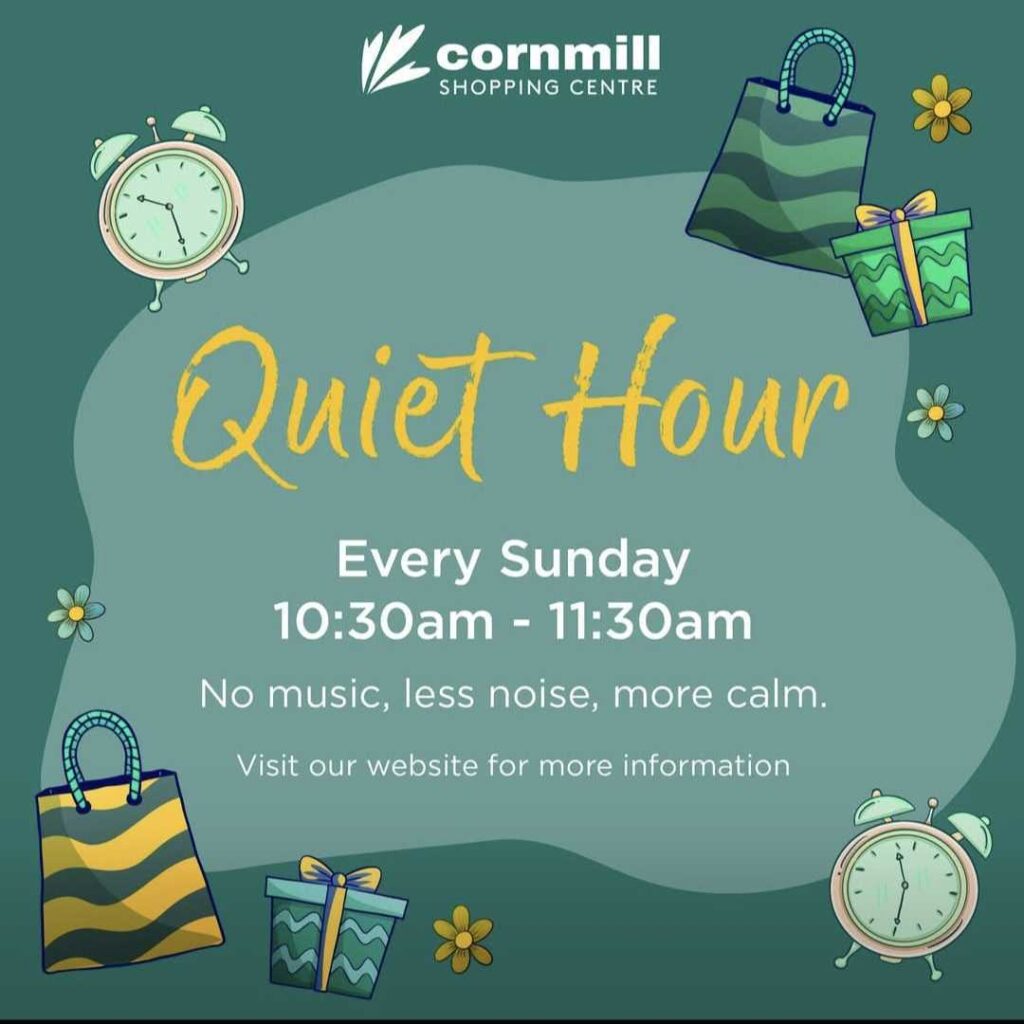
Autism Acceptance MonthDay 10 PROVIDING CLEAR ROUTINES Providing clear routines in society could look like shops displaying quiet hour times clearly, schools using visual timetables, leisure centres outlining session structures, […]
READ MORE